 CEDX
CEDX



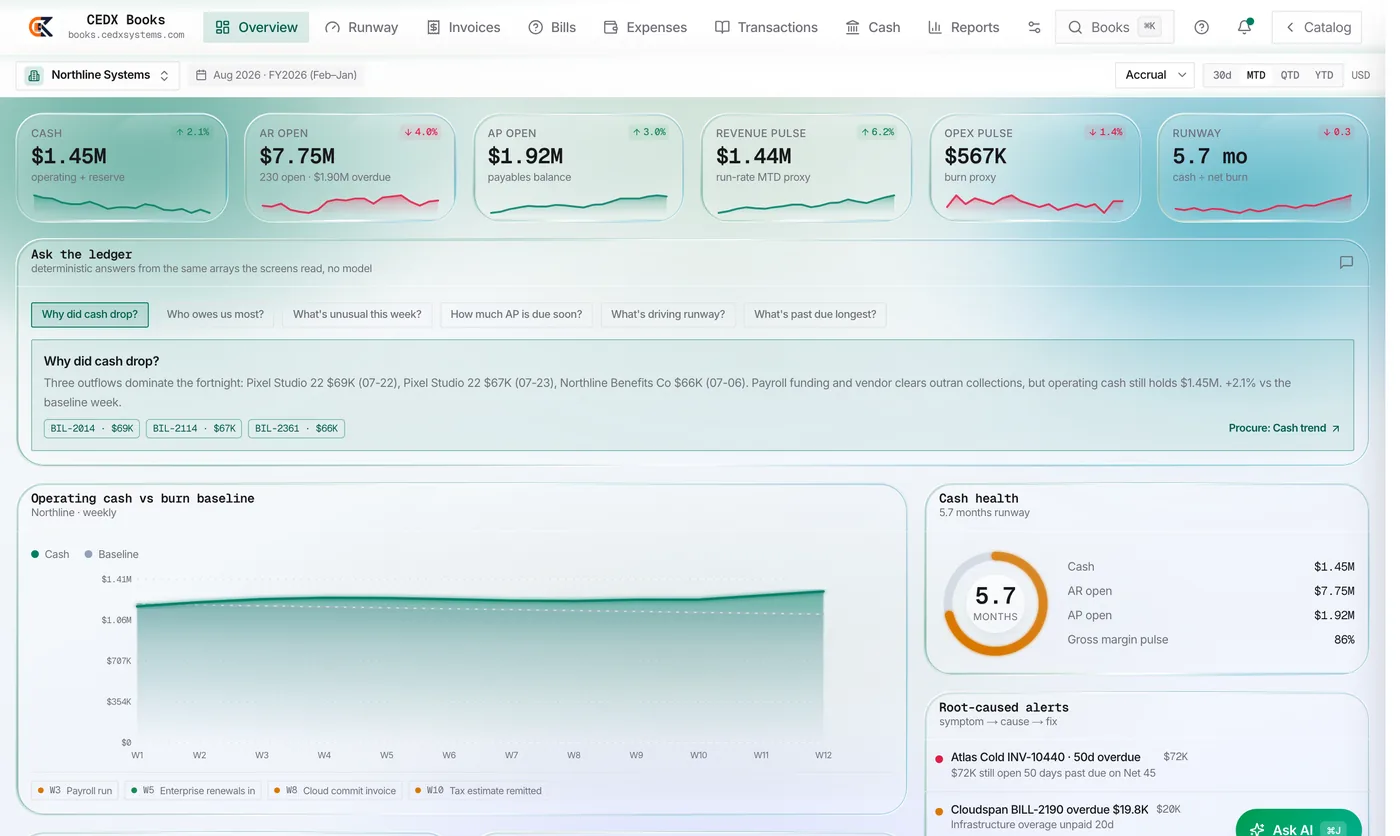


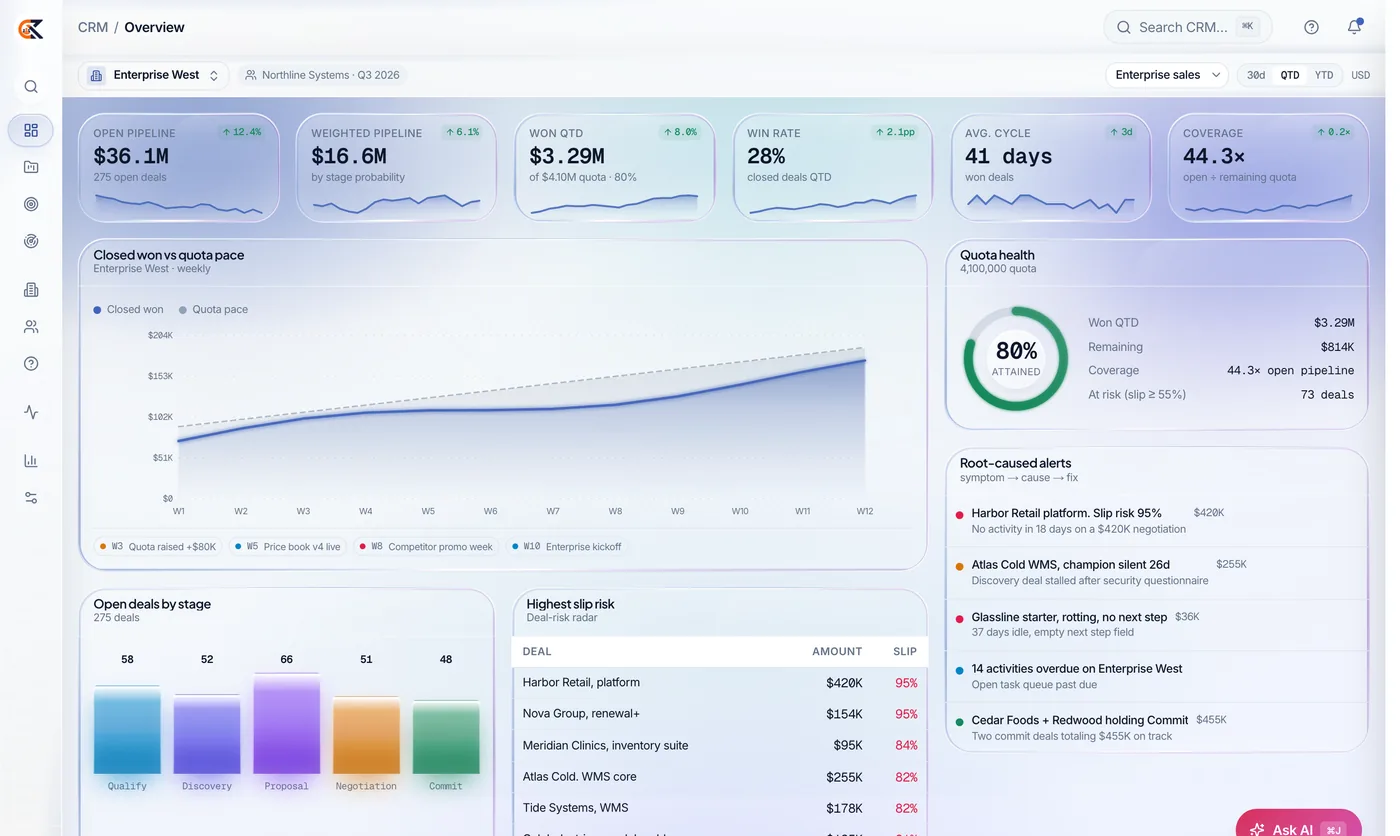
Marketplace · United States
Keystone Markets
Keystone unified sellers, payments, and support so Friday payout recon stops being a war room.
Multi-seller marketplace · growth stage
- Industry
- Marketplace
- Region
- United States
- Footprint
- Multi-seller marketplace · growth stage
- Products live
- Marketplace, Catalog, Payments, Desk, Orders
- Primary metric
- 1 login for the estate
- Scenario type
- Illustrative reference
Executive summary
At a glance
- Multi-seller marketplace with three vendors for catalog, pay, and support.
- Pilot: Marketplace + Catalog + Payments + Desk.
- Target: sellers and support share order state; Friday payout recon is a report.
We tried three tools that looked pretty. CEDX is the one the team still uses on Friday.

The challenge
What was broken
Three vendors meant three truth sources. Friday meant reconciling who got paid.
Support could not see seller policies. Sellers could not see ticket state.
Pretty tools died after the pilot because ops refused to live in them.

Stack change
Before and after
What the team stopped using - and what runs on CEDX.
Before
- Three vendor truths
- Support blind to seller policy
- Friday payout war room
After on CEDX
- Marketplace + Catalog + Payments + Orders + Desk
- Shared order state
- Payouts on the order
The change
What CEDX replaced
Marketplace, Catalog, Payments, Orders, and Desk on one estate.
Sellers see the same order state as support.
Payments reconcile against the order, not a side sheet.
Outcomes
What changed on the floor
Results used as pilot targets - the shape of success, not vanity dashboards.
- The team kept using it after the pilot — the real metric.
- Friday recon is a report, not a war room.
- New sellers onboard on one portal.
Team impact
Who feels the change
Founder
One stack the team still uses Friday.
Seller success
Policies and tickets on the same record.
Finance
Payout recon without three CSVs.
Why an estate
Why not another point tool
One customer graph
Sales, service, and finance stop arguing about whose record is authoritative.
One login
Operators do not maintain six passwords and six partial truths.
Live product demos
What you evaluate on the website is the build you implement.
Wave-ready architecture
Start with one motion; add products without a second platform.
Rollout
How they got live
Typical shape - your pilot may compress or expand by product footprint.
Month 1
Catalog + Marketplace
Seller onboarding.
Month 2
Orders + Payments
Payout truth.
Month 3
Desk
Support on the same order.
Ongoing
Grow
No tool swap mid-scale.
Risks
What this design avoids
- Shadow spreadsheets reappear when systems disagree — the estate is designed so the live number is the board number.
- Tool sprawl after the pilot — success criteria and hypercare keep the team on one stack.
- Training debt — enablement uses the live product, not a parallel slide deck of screenshots.
Your next 90 days
Playbook you can copy
Same skeleton Harbor, Northline, and Atlas-shaped programs use.
Days 1–14
Estate map
Sponsor, operators, systems list, retire list, pilot metrics.
Days 15–45
Pilot live
One pod or region on production-shaped config.
Days 46–75
Expand wave
Second region or adjacent product family.
Days 76–90
Hypercare exit
Metrics review, owner map, BAU support path.
In the room
Software that respects the people running it
Keystone Markets runs day-to-day work in CEDX - the same apps you can open from every product page.
FAQ
About this scenario
Is this a named public case study?
It is an illustrative composite on live demo tenants. Named case studies publish with customer approval.
Can we pilot the same products?
Yes. Products in this scenario: Marketplace, Catalog, Payments, Desk, Orders.
Who implements?
CEDX, a consulting partner, or both - decided in the estate map.
Architecture notes
What sits under the pilot
Identity
One login for operators in scope. Entitlements follow the product graph.
Data
Customer graph ownership is written in the estate map before imports.
Integrations
Prefer estate events and first-party connectors over brittle nightly CSV.
Commercial shape
How programs are usually bought
Pilot SKU
Products in the first motion, seats for the pod, success metrics, hypercare window.
Expansion
Wave-two products and regions after metrics clear - written in the original map when possible.
Related scenarios
More operators on the estate
Harbor Retail Group
Harbor put POS, CRM, inventory, and desk on one login so store close and support share the same customer.
B2B servicesNorthline Systems
Northline collapsed six tools into one estate so new reps quote, sign, and bill on the same customer graph.
LogisticsAtlas Cold Logistics
Atlas put field jobs, parts, and contact-center voice on one desk record across three provinces.
Map a marketplace program like Keystone Markets
Thirty minutes. Products, retire list, and pilot metrics - before anyone configures.